Devil's Kitchen Headwall - Mt. Hood

Devil's Kitchen Headwall - Mt. Hood

Starting from

Regular price$1,229.00
/

This trip is booked on a custom basis. Call us to learn more and start planning your adventure today!
(206) 413-5418

Trip Type

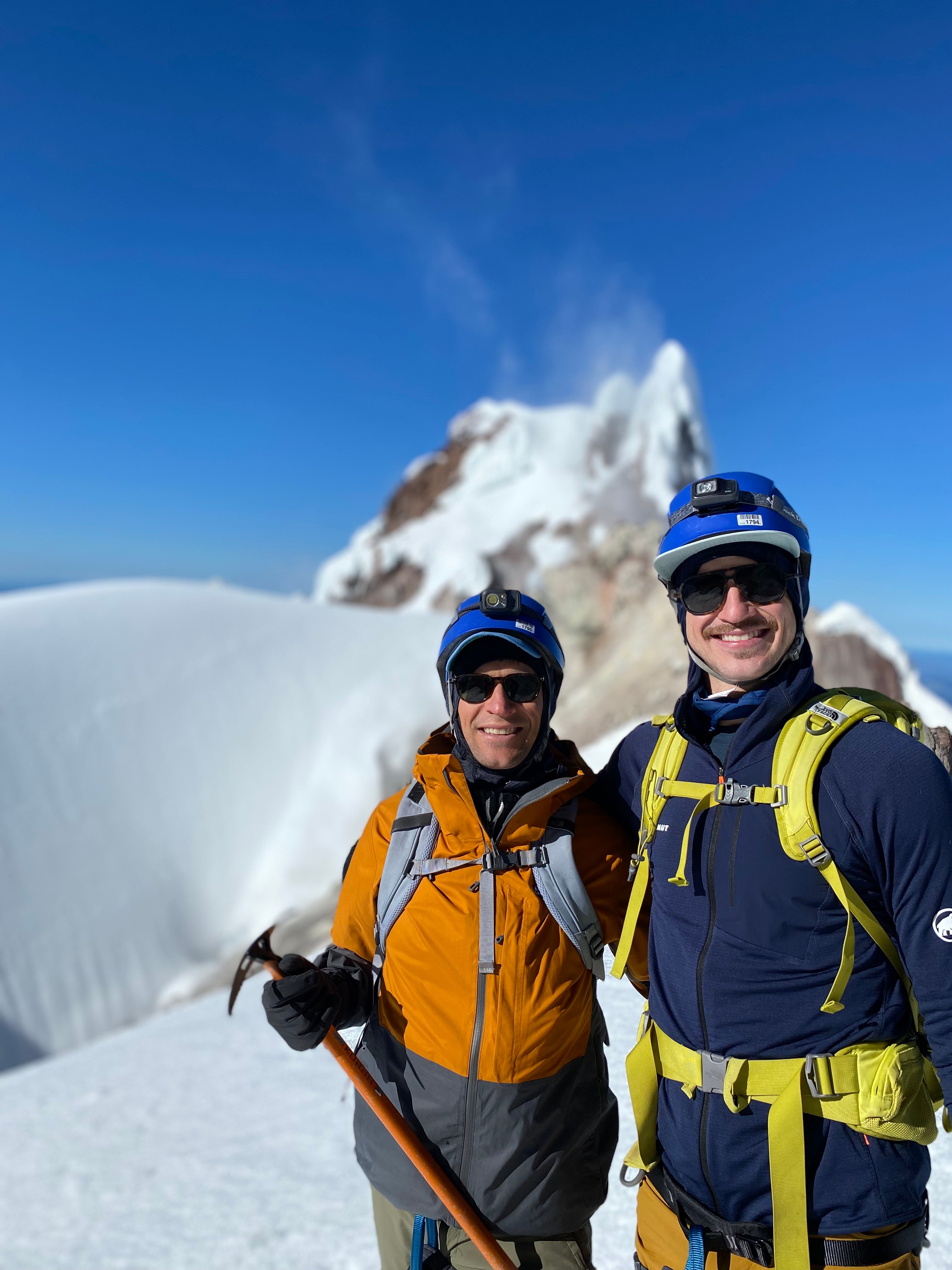
If you are a mountaineer in the PNW, you've surely gazed up at Mount Hood towering over the nearby Columbia River Gorge, and have likely braved the chutes yourself to stand on top for a glorious sunrise and the satisfaction that comes with being on the highest point in Oregon. 

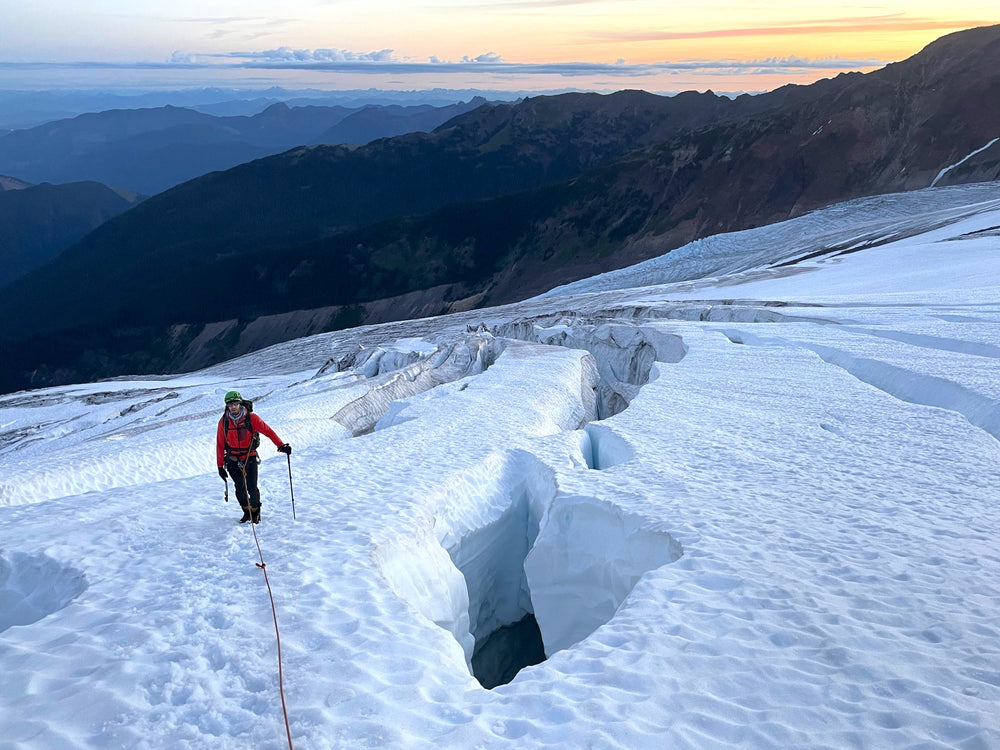
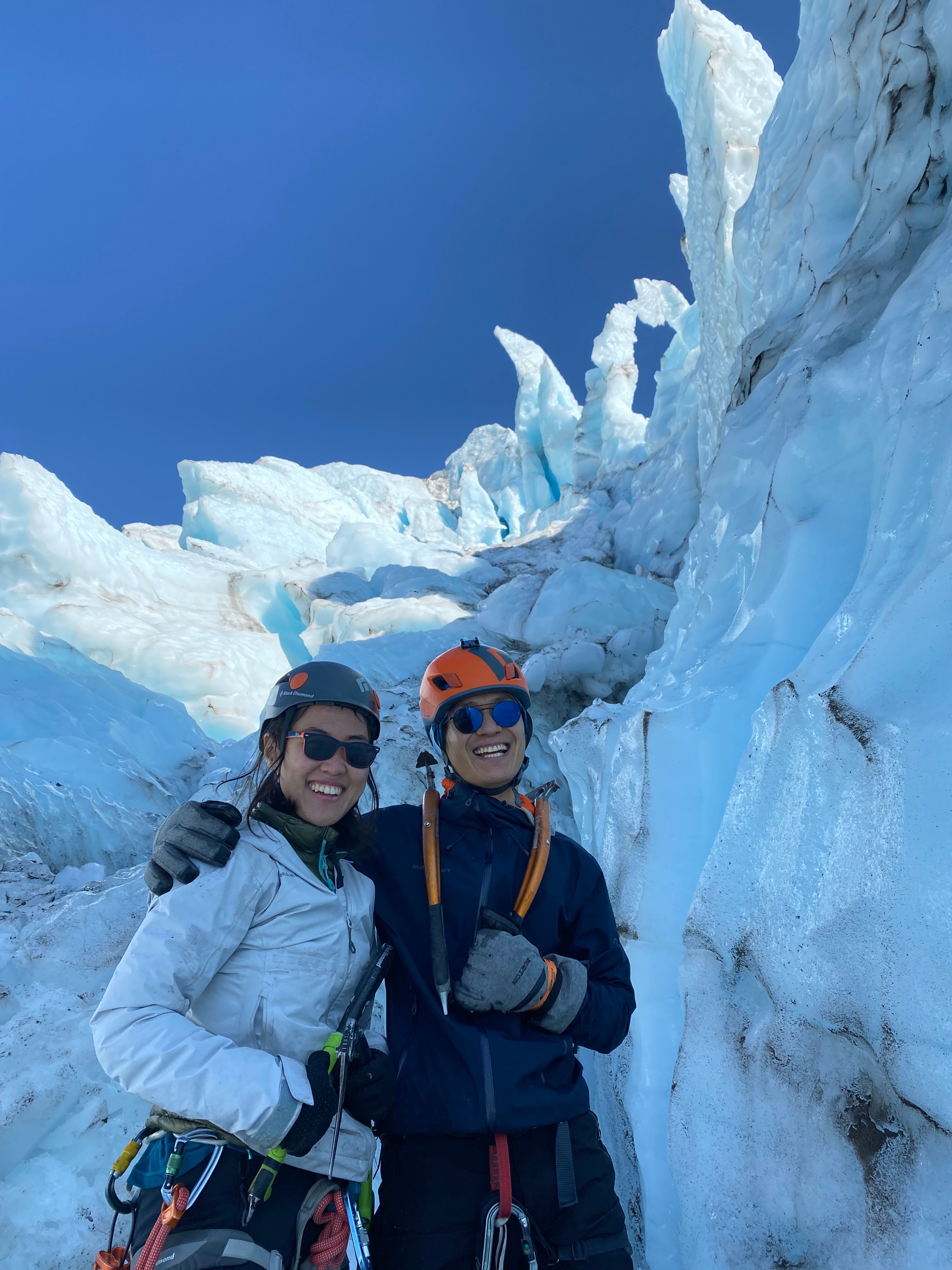
While most climbers stick to the classic South Side routes like the Pearly Gates and Old Chute, there are many other routes on Mt. Hood that provide a variety of challenges for skilled mountaineers. One we like to highlight is the Devil's Kitchen Headwall, an area of steep, icy terrain off to the right above the volcanic crater. It offers several variations as ice formations twist and change in response to the weather, providing an endless array of challenges to face. 

This is an intermediate-level climb with up to 4 pitches of sustained moderate to steep icy terrain, rated at AI2-3. Moving quickly is imperative, so it's necessary that climbers have some experience in this type of environment and comfort with multipitch rope systems. Proper layering techniques and the ability to dig deep physically and mentally for a long and strenuous day will be just as important.

This climb is booked on a custom basis. To begin planning, please call or email us and be ready to discuss your climbing history as it pertains to the prerequisites in the "Walk in With" tab below. 

If this route sounds inspiring, but a bit above your head for now, join us on the standard route with a Mt. Hood Summit Climb or get some ice climbing practice with our multi-day Winter Alpine Ice Climbing or Summer Glacier Ice Climbing courses.
Duration

  • 1 day
  • 12 hours

Season

  • Winter
  • Spring

Client:Guide Ratio

2:1

Minimum Participants

1

This trip requires an alpine start; meet your instructor at 3am ready to go. You may be traveling on backcountry skis/splitboard, or on foot with mountaineering boots and crampons depending on ability and conditions. The approach is similar to most routes on the south side of Mt. Hood, starting with an easy snow slope and steepening as you make your way to the upper mountain. Near the base of your route, you’ll drop any excess approach gear and transition to technical climbing. Depending on the exact route, you could see up to 4 pitches of AI 2-3. The route could take up to 4 hours, and then you will descend via the classic south side routes back to your gear and the remainder of the descent. The total elevation gain is 5300 vertical feet of climbing and is expected to take 12-14 hours. 

  • Proficiency in basic climbing knots and hitches and rope management and ability to safely lead belay.
  • Mount Hood Summit Climb or equivalent experience climbing steep snow and ice in an alpine environment.
  • At least 1 day of vertical ice climbing experience.
  • Excellent fitness: ability to skin, hike, and climb for 12+ hours and ascend 5000' with a 30 lb pack at a rate of 1,100' per hour.

If Skiing:

  • At least 2 full years of ski/splitboard touring experience.
  • Advanced skiing or snowboarding skills (ability to ski or ride black diamond runs and off-piste in all snow conditions).
  • Upon registration, you will receive a confirmation email full of important information - make sure to read it thoroughly!
  • 7-10 days before your trip you will receive an email from your guide containing even more details, including the exact meetup location and time.
  • Leading up to your course, make sure to eat healthy, drink extra water, and get plenty of sleep.
  • Please arrive on time and ready to go at your pre-arranged meeting location. Upon arrival, we'll distribute any group gear and finish loading our packs. From there we will caravan to the trailhead.
  • All along the way, our office team is available via email or phone to answer any questions you may have.

This trip will leave you with knowledge and practical application of:

  • Pre-trip planning.
  • Gear packing and equipment choices for a winter alpine climb.
  • Route finding and navigation.
  • Self-care in the mountains.
  • Safe travel techniques in a snowy and icy environment.
  • Ice climbing movement and technique.
  • Rope management and transitions.


PLUS:

  • A fun experience you’ll remember forever! 
  • A sense of accomplishment in achieving your goals for the trip.
  • Confidence in your newfound skills and where to take them next.
  • Tips and tricks to add to your toolbox from our professional and knowledgeable guides.

Equipment Lists

Required Gear

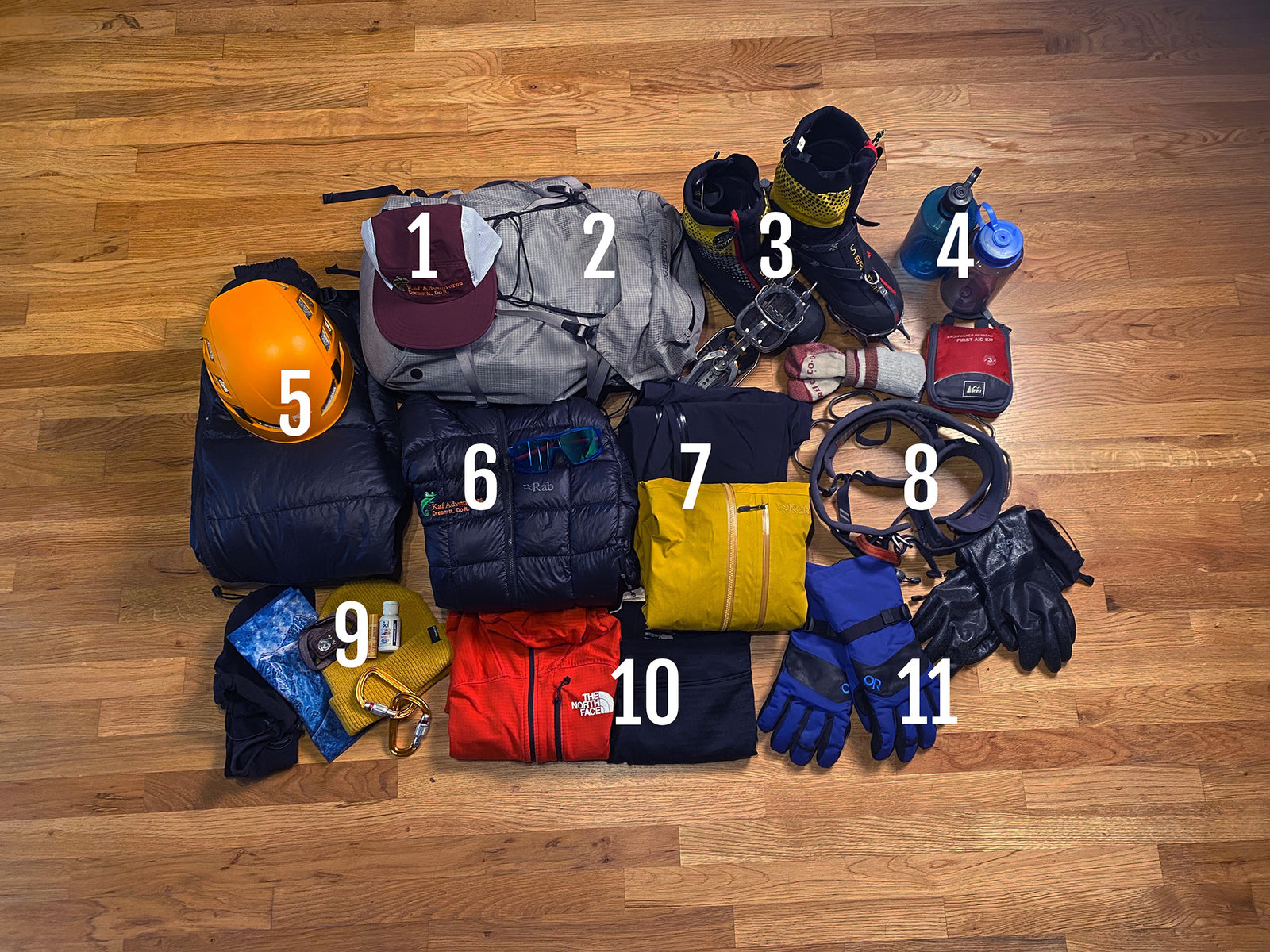
  1. Head/face protection : warm hat, sun hat *baseball cap is fine, neck gaiter *buff or balaclava, sunglasses with good side coverage
  2. 25-40L day pack 
  3. Full shank (4 season) mountaineering boots with well fitting vertical-point (ice-climbing specific) crampons
  4. Water bottles with at least 2L capacity 
  5. Climbing helmet
  6. Insulating layer : puffy jacket/belay parka and fleece or puffy pants
  7. Waterproof layers : hooded jacket and pants, gaiters highly recommended
  8. Climbing harness 
  9. Personal kit : sunscreen (SPF 40 or higher), lip balm, headlamp and extra batteries, toiletries (please bring a plastic baggie for waste), personal medications and first aid, personal medications and first aid
  10. Warm baselayers : non-cotton, moisture-wicking
  11. 2 pairs of gloves : insulating gloves, waterproof gloves


OTHER / OPTIONAL GEAR

  • Pre-made lunch items, easy to eat with gloves on
  • Handy pocket items; gel, chews, bars, etc.
  • Whistle
  • Area maps and compass
  • Heavy duty plastic trash bags (for water-proofing)
  • Camera
  • Watch
  • Half foam pad to stand/sit in snow
  • Bandana

Car Equipment (items to keep in your car) *All of these items are optional but recommended when traveling in the mountains in winter.

  • Water bottle or thermos
  • Non-perishable food (salty snacks!)
  • Comfortable and warm cloths, socks, and shoes
  • First aid kit
  • Folding saw
  • Shovel
  • Warm blanket or sleeping bag
  • Tire Chains

What Kaf Provides

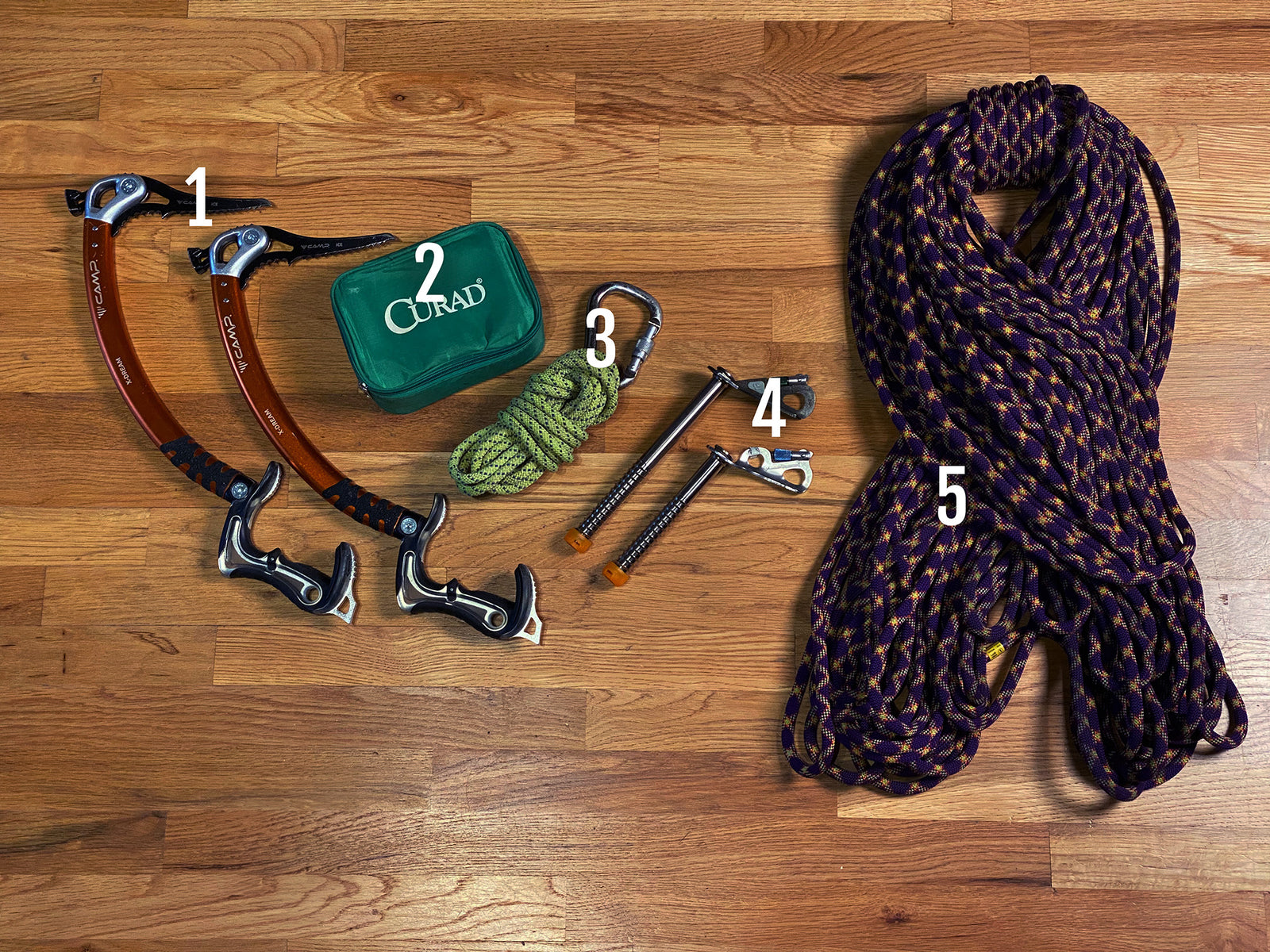
  1. Ice tools
  2. Group first aid kit and medical supplies 
  3. Anchor materials
  4. Ice protection : screws and draws
  5. Climbing rope